




Little Rock Arkansas Empower Healthcare Solutions has recently completed its HEDIS MY2023 review, demonstrating noteworthy improvements in several key performance areas. A significant element in this success has been the collaboration with the State Health Alliance for Records Exchange (SHARE).
SHARE’s robust Health Information Exchange (HIE) capabilities allowed Empower Healthcare Solutions to enhance its data aggregation efforts, leading to an impressive increase in medical record retrieval accuracy from 95.62 percent in MY2022 to 96.95 percent in MY2023. This improvement, enhanced by SHARE, underscores the importance of accurate and timely data in the healthcare sector, particularly in meeting stringent HEDIS measures.
By incorporating supplementary A1c lab data into HEDIS reporting, SHARE provided Empower Healthcare Solutions with the necessary data to excel in the critical area of diabetes management. This integration not only improved data accuracy but also positioned Empower Healthcare Solutions quality reporting to excel.
Empower Healthcare Solutions’ achievements, as reflected in their strong performance across various HEDIS measures, highlighting the value of using SHARE for accessing vital health information. The ability to track and report on critical health outcomes with precision has enabled Empower Healthcare Solutions to better serve its members, ensuring higher satisfaction and engagement rates.
In summary, SHARE’s contribution to Empower Healthcare Solutions’ HEDIS success exemplifies the importance of comprehensive data exchange in healthcare. As Empower Healthcare Solutions continues to prioritize high-quality care, SHARE remains a key partner in supporting these efforts through seamless data integration and enhanced healthcare outcomes.
Empower Healthcare Solutions is one of the PASSE (Provider-led Arkansas Shared Savings Entity) organizations in Arkansas. The PASSE program is a managed care model developed by the Arkansas Department of Human Services (DHS) to serve individuals who need services for developmental disabilities or behavioral health.
Empower Healthcare Solutions PASSE coordinates care for its members by bringing together a network of providers, including primary care physicians, behavioral health professionals, and other specialists. The goal is to improve the quality of care, enhance the member experience, and control costs by focusing on care coordination, outcomes, and preventive services.
As a PASSE, Empower Healthcare Solutions manages the physical, behavioral, and developmental health needs of its members, ensuring they receive the appropriate level of care and services. This model is designed to improve overall health outcomes while also reducing unnecessary hospitalizations and emergency room visits, thereby offering more comprehensive and integrated care for those with significant behavioral health and intellectual or developmental disabilities (IDD).
Empower Healthcare Solutions partners with various healthcare providers and organizations, including SHARE HIE, to enhance the data and care coordination necessary to meet rigorous health outcome measures. Visit https://getempowerhealth.com/
Empower Healthcare Solutions Mission
They help people to lead fuller, healthier lives at home and in their neighborhoods. Keeping the patient/member at the center, they work with others to deliver a better life.
Read Empower Healthcare Solutions Provider Connections Article here: https://getempowerhealth.com/wp-content/uploads/2024/08/2024provider-relations-newsletter-Fall2024.pdf
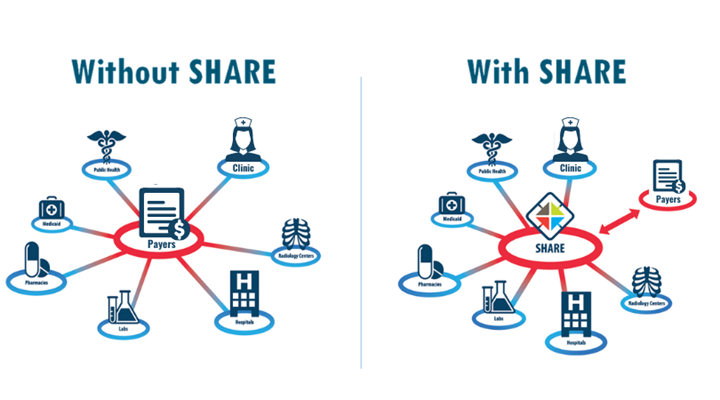
 Enhanced Patient Care and Outcomes
 Little Rock, Arkansas Metropolitan Emergency Medical Services (MEMS) has become a trailblazer in the State of Arkansas by becoming the first Emergency Medical Services (EMS) provider to integrate their Electronic Medical Record (EMR) system with the State Health Alliance for Records Exchange (SHARE) Health Information Exchange (HIE). This pioneering move involves the integration of MEMS’s ESO EHR system with SHARE HIE, marking a significant advancement in healthcare interoperability and setting a benchmark for other EMS providers in the state.
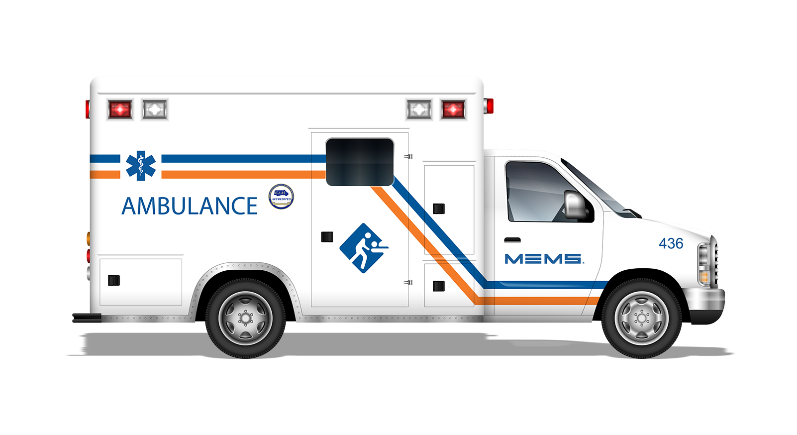 About Metropolitan Emergency Medical Services (MEMS): MEMS is a public, non-profit entity, and is governed by the Little Rock Ambulance Authority (LRAA). Serving Pulaski and Grant Counties, the cities of Maumelle, Sherwood & Cabot. MEMS covers approximately 1,800 square miles and over 400,000 people.
 May 2024—Little Rock, Arkansas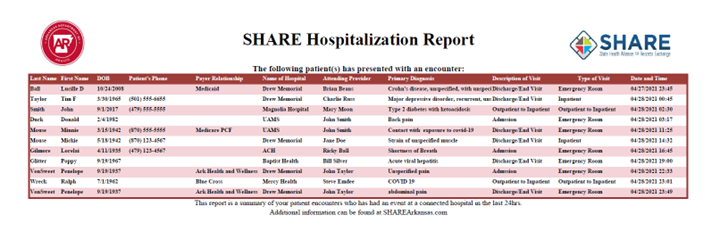
 “Our integration efforts with SHARE HIE mark a significant milestone in our commitment to providing high-quality, integrated care to our clients. By connecting to SHARE HIE, we will achieve a new level of interoperability that allows us to collaborate more effectively with our referral partners and provide better care coordination for our clients. This integration will not only enhance client care and efficiency within our organization but is also positioning us to deliver more personalized and comprehensive care to our community. We are excited about the possibilities this partnership brings and the positive impact it will have on the health outcomes of those we serve.” said, Laura H. Tyler, Ph.D., LPC, Chief Executive Officer, Arisa Health, Inc.
 By connecting to SHARE HIE, Arisa Health will be able to easily share client information with other healthcare providers involved in the individual’s care, such as primary care physicians (PCPs), hospitals, and specialists. This improved communication and information exchange will enhance current care coordination efforts, ensuring that all members of the care team are working together to provide the best possible care for the client. For example, when a client receives behavioral health services at Arisa Health, their PCP will be able to easily access relevant information about their treatment plan and progress, enabling more informed decision-making and better coordination of care between the two providers. As we gain access to a more comprehensive view of the client’s health history through SHARE HIE Arisa Health aspires to make more informed decisions about the client’s care. For example, if a client is prescribed medication for a mental health condition at Arisa Health, their PCP can now see this information and avoid prescribing medications that may interact negatively with the client’s existing medications, improving client safety.
 About Arisa Health: The Mission of Arisa Health is to lead with exceptional care that nurtures health and well-being for all. Arisa Health is a leading provider of mental health and substance abuse services in Arkansas. They are known for their commitment to delivering high-quality, integrated care to individuals with behavioral health needs. Arisa Health offers a range of services, including individual, family & group therapy, school-based services, medication management, primary care, addiction treatment, residential services and more, to help individuals achieve and maintain mental wellness. They are dedicated to supporting the mental health and well-being of the communities they serve in 80+ locations across 41 counties.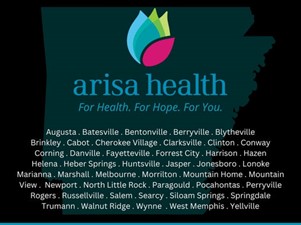


 About the UAMS IDHI Brain Injury Program:

 About Bradley County Medical Center:

 The Role of QHINs in the TEFCA Ecosystem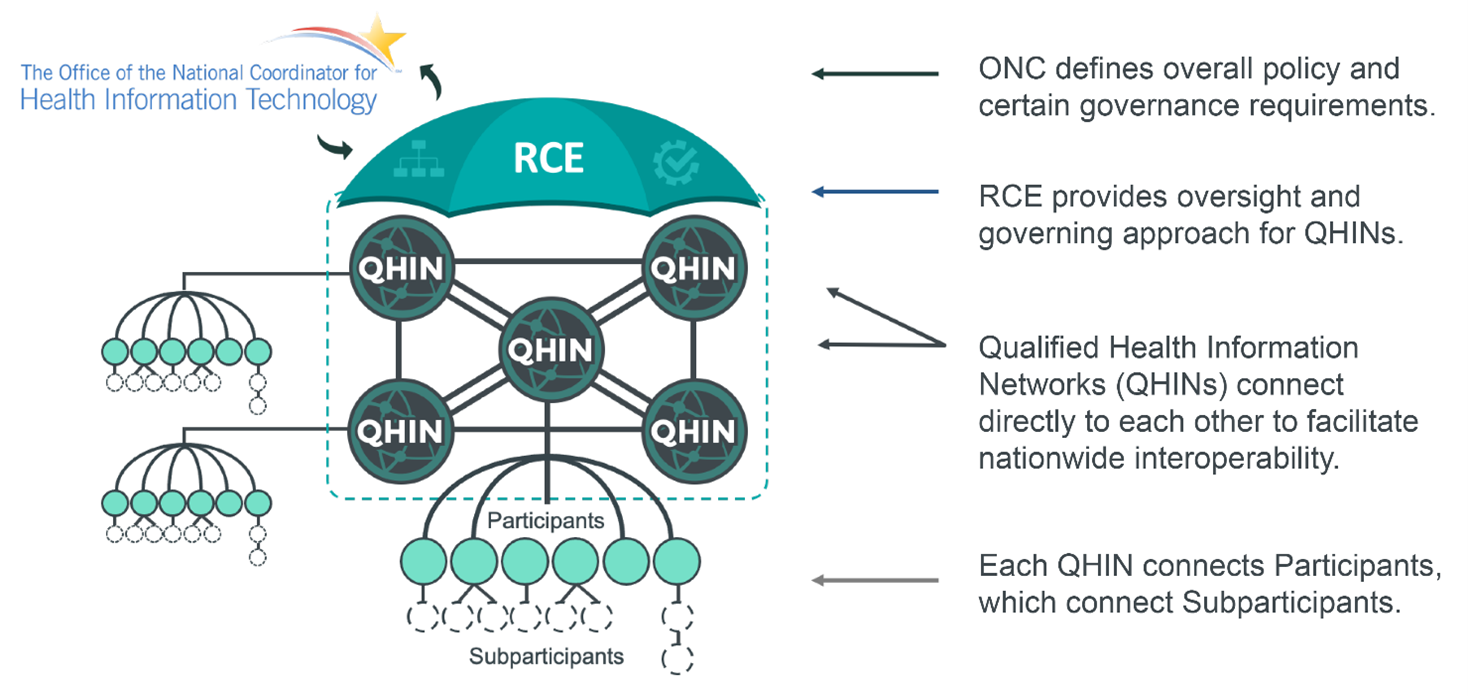
 Your dedication and enthusiasm have been fundamental to our success. It is your participation and collaboration that enable us to continuously innovate and improve the way healthcare data is shared and utilized. Through your efforts, we are making a tangible difference in breaking down barriers in healthcare information exchange, enhancing the quality of patient care, and streamlining processes for healthcare providers throughout Arkansas.